

How can cities rely on their built and natural heritage to engage citizens in urban transformation? How can municipalities involve citizens in telling the story of their city, architecture and green areas? How can citizens play a role in cultivating the memory of and creating knowledge about the city’s heritage, as well as in maintaining and nurturing these spaces?
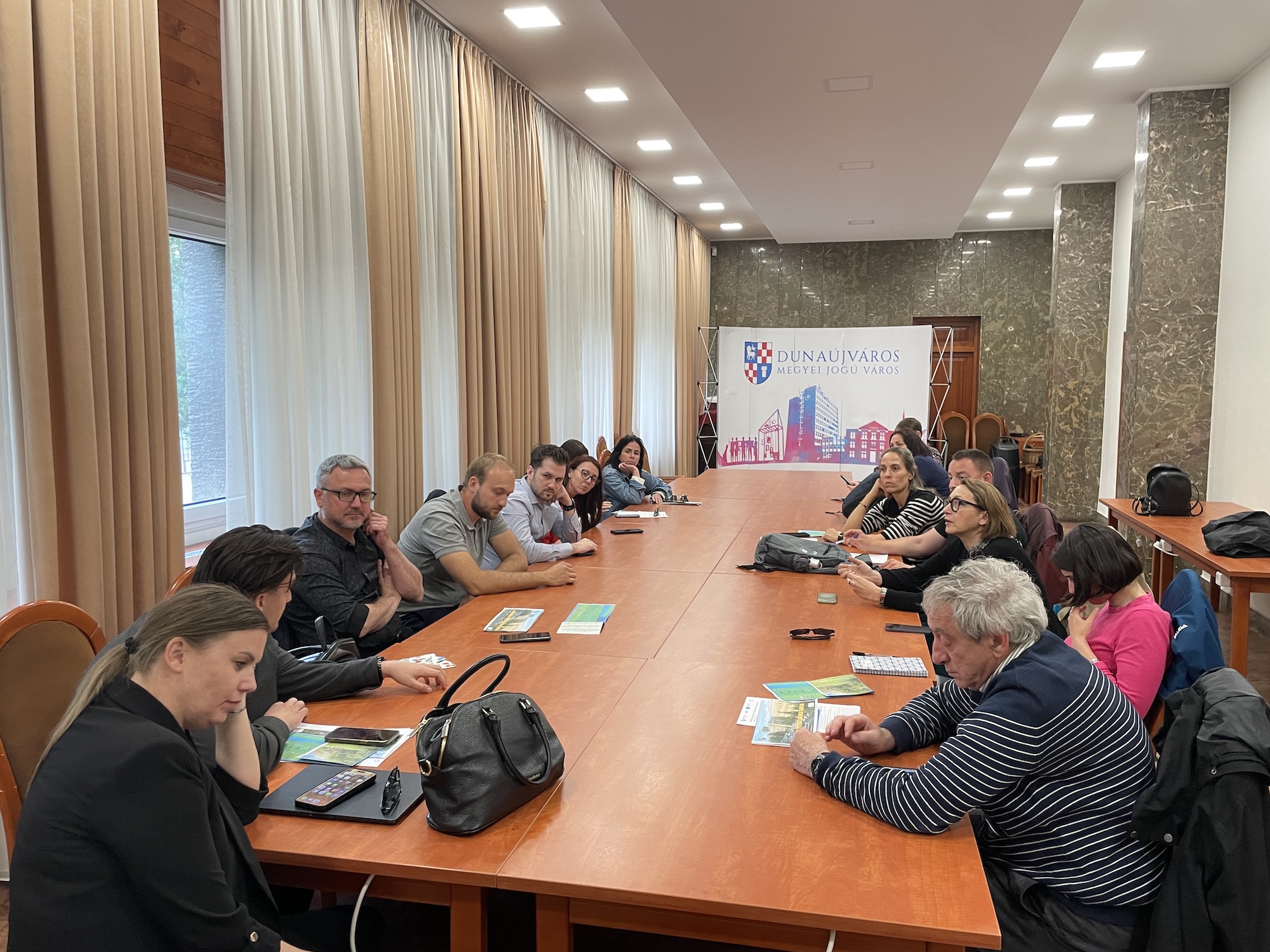
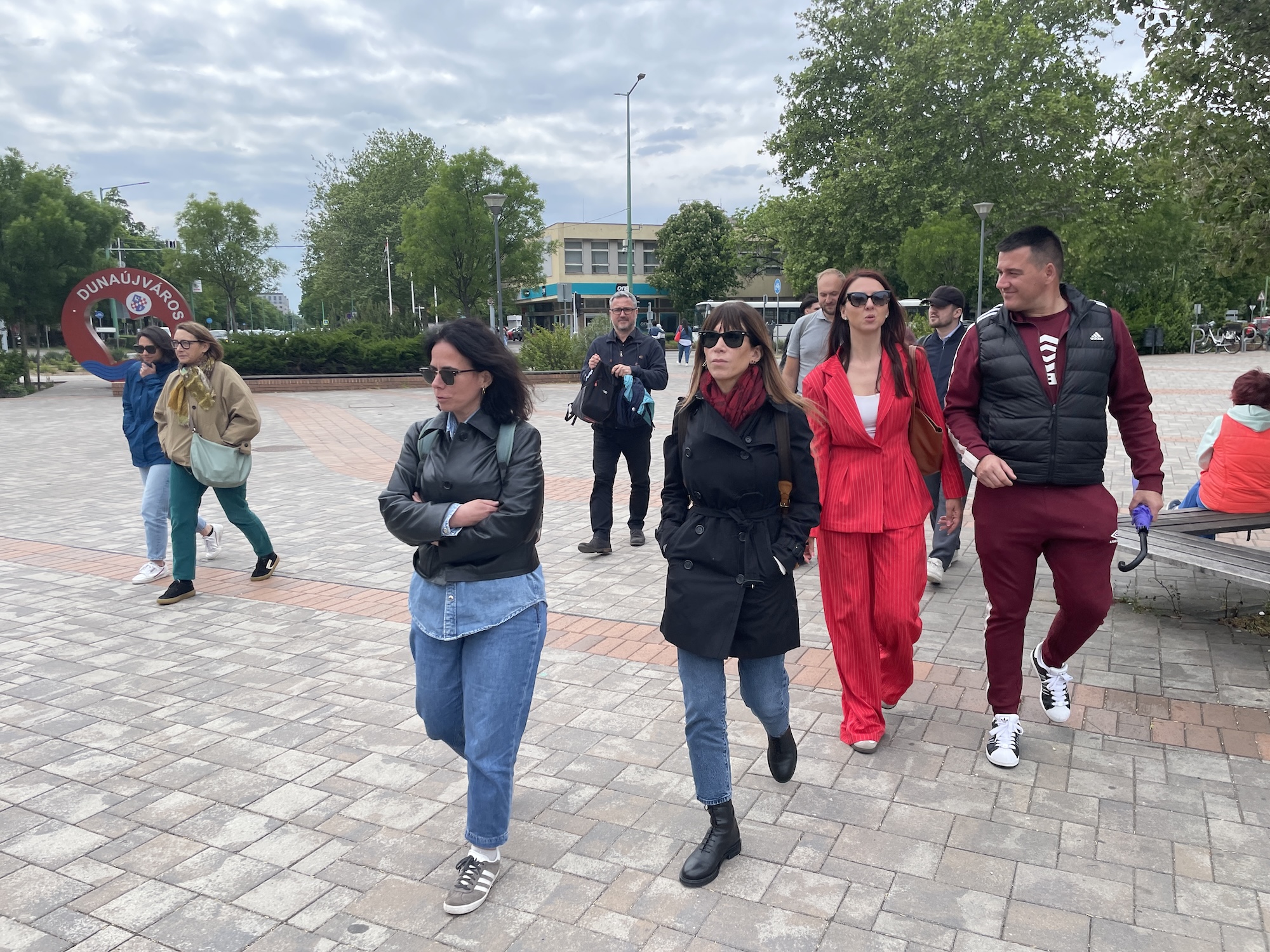
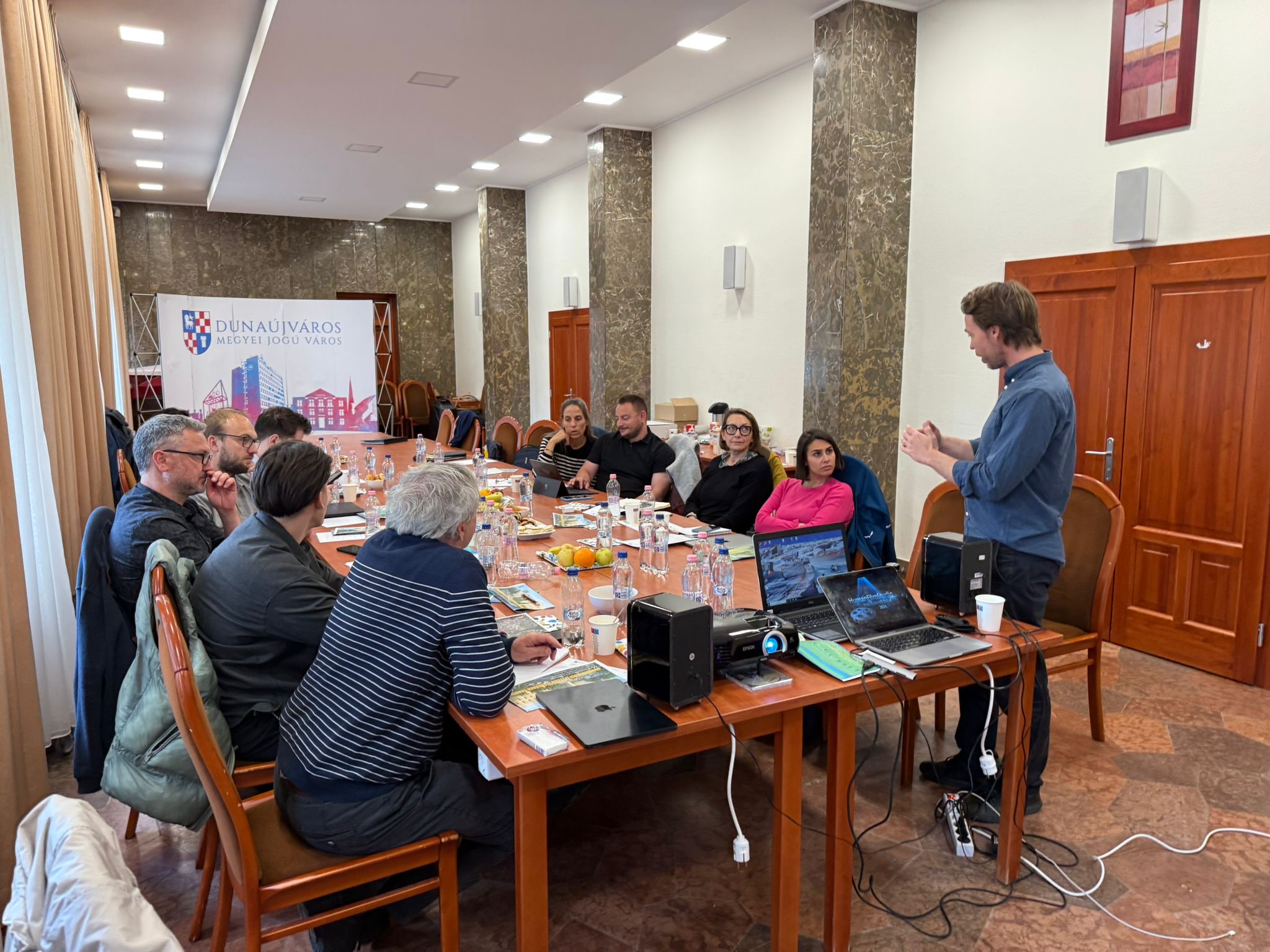
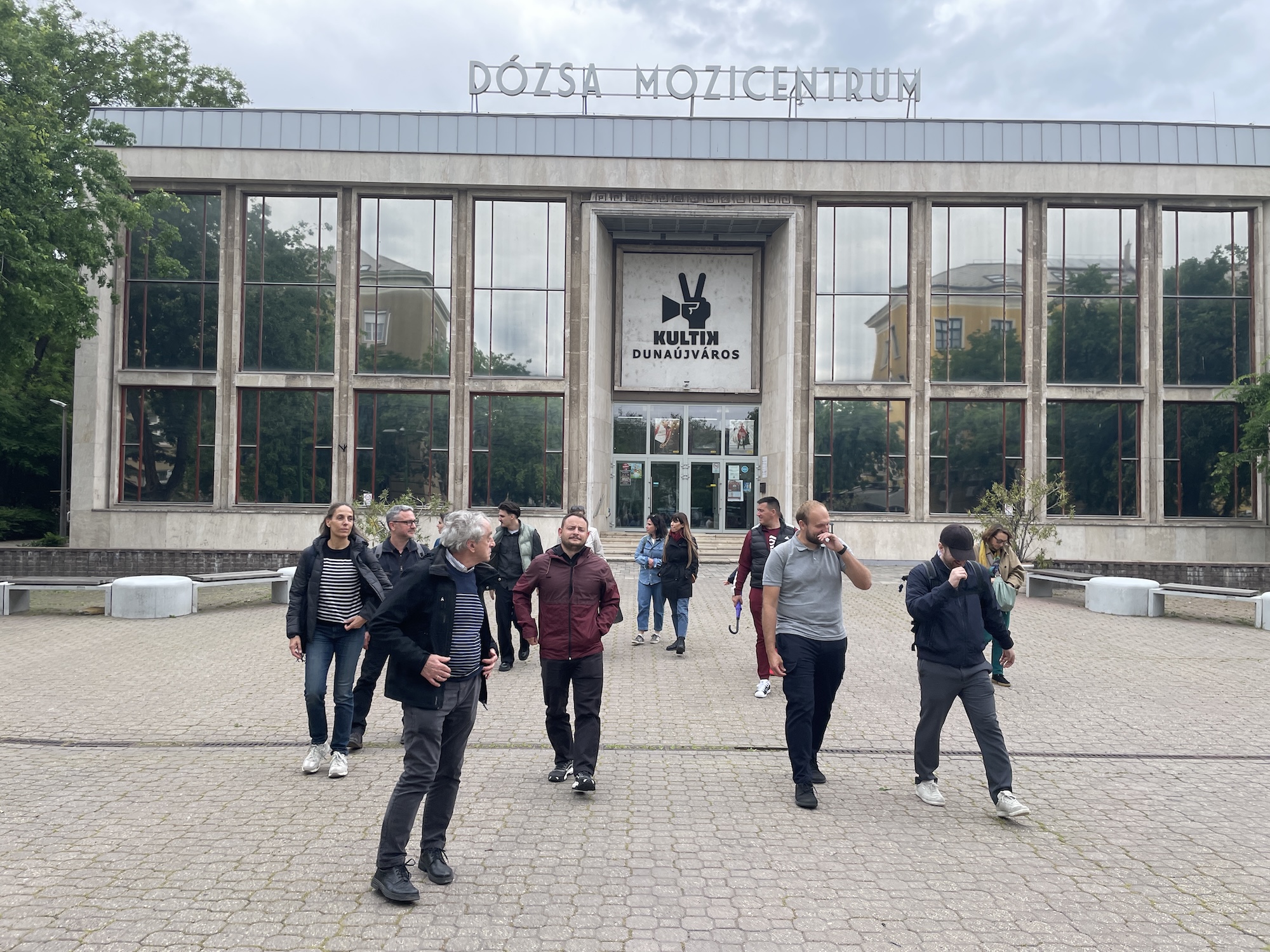
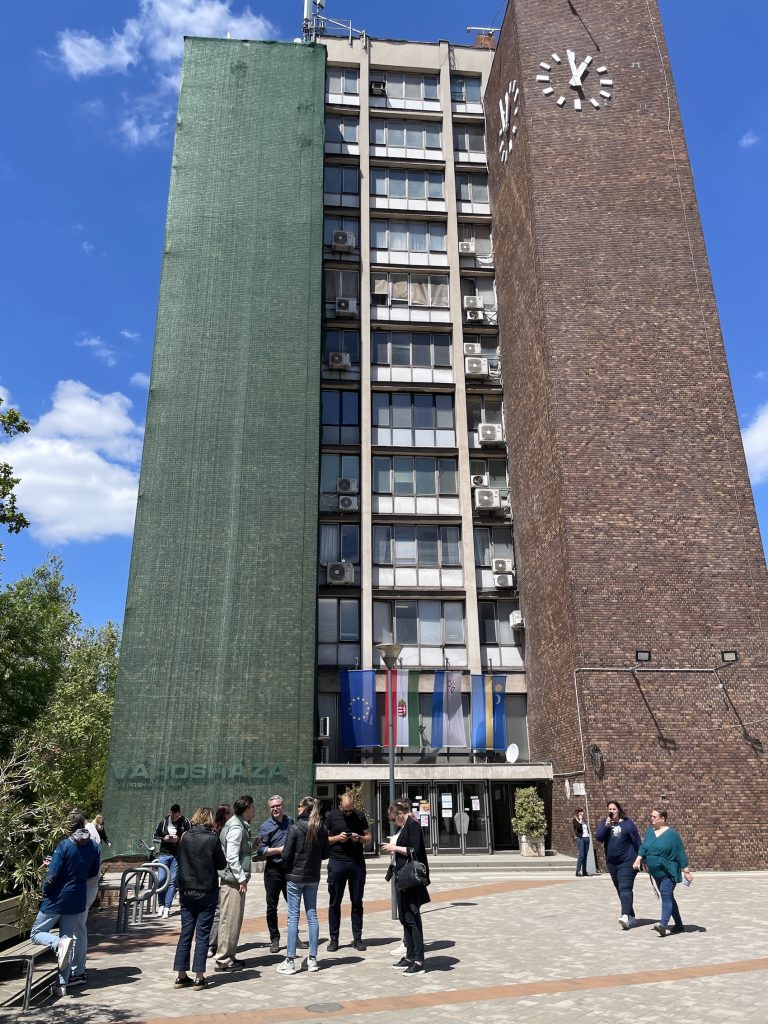
Last week we were in Dunaújváros, Hungary with the URBACT Innovation Transfer Network “Daring Cities” with the municipalities of Altea, Kragujevac, Olomouc, Piraeus and Ravenna to learn from each other and support the host city in its endeavours.
The Daring Cities meeting in Dunaújváros focused on several interconnected themes centered around reclaiming urban heritage, fostering citizen participation, and integrating biodiversity into the fabric of post-industrial and modernist cities.
A central theme of the meeting was the struggle over the memory of modernist and postwar socialist realist architecture. Participants discussed how architectural heritage is often politicised, leading to “memory cleansing” through street renaming or the demolition of modernist buildings. The project’s Dunaújváros actions seek to move away from these stigmas by repositioning postwar architecture as a high-quality living environment and a source of community pride, rather than just a relic of a failed utopia. Examples from cities like Warsaw and Nowa Huta demonstrate how modernist “jewels” can be brought back into fashion through storytelling and community interest.
Daring Cities also emphasises co-design and co-implementation, moving beyond mere consultation to involve citizens directly in urban transformation. A major discussion point in Dunaújváros was the “legal engineering” required to navigate municipal bureaucracy; for example, Dunaújváros successfully used lump-sum contracts and service agreements to transfer funds directly to individuals and NGOs for community projects. Other cities, like Prostějov in the Olomouc agglomeration, are integrating citizen feedback into large-scale investment plans through melting-pot events and participatory budgeting.
Integrating nature-based solutions is also core technical goal of Daring Cities, and partners got inspired by Dunaújváros’s the newly established Biodiversity Office, and the city’s involvement in maintaining and nurturing green areas, through public calls and citizen science tools.
Finally, the project views heritage as a tool for social cohesion. This includes both material heritage (buildings) and intangible heritage, such as Altea’s 400-year-old “Little Tree” festival, which fosters a deep sense of belonging and local identity. By building “heritage communities”—groups of local or international supporters organised around a specific site—cities can protect public spaces from privatisation and ensure long-term preservation through community management.
| Cookie | Duration | Description |
|---|---|---|
| cookielawinfo-checkbox-analytics | 11 months | This cookie is set by GDPR Cookie Consent plugin. The cookie is used to store the user consent for the cookies in the category "Analytics". |
| cookielawinfo-checkbox-functional | 11 months | The cookie is set by GDPR cookie consent to record the user consent for the cookies in the category "Functional". |
| cookielawinfo-checkbox-necessary | 11 months | This cookie is set by GDPR Cookie Consent plugin. The cookies is used to store the user consent for the cookies in the category "Necessary". |
| cookielawinfo-checkbox-others | 11 months | This cookie is set by GDPR Cookie Consent plugin. The cookie is used to store the user consent for the cookies in the category "Other. |
| cookielawinfo-checkbox-performance | 11 months | This cookie is set by GDPR Cookie Consent plugin. The cookie is used to store the user consent for the cookies in the category "Performance". |
| viewed_cookie_policy | 11 months | The cookie is set by the GDPR Cookie Consent plugin and is used to store whether or not user has consented to the use of cookies. It does not store any personal data. |