
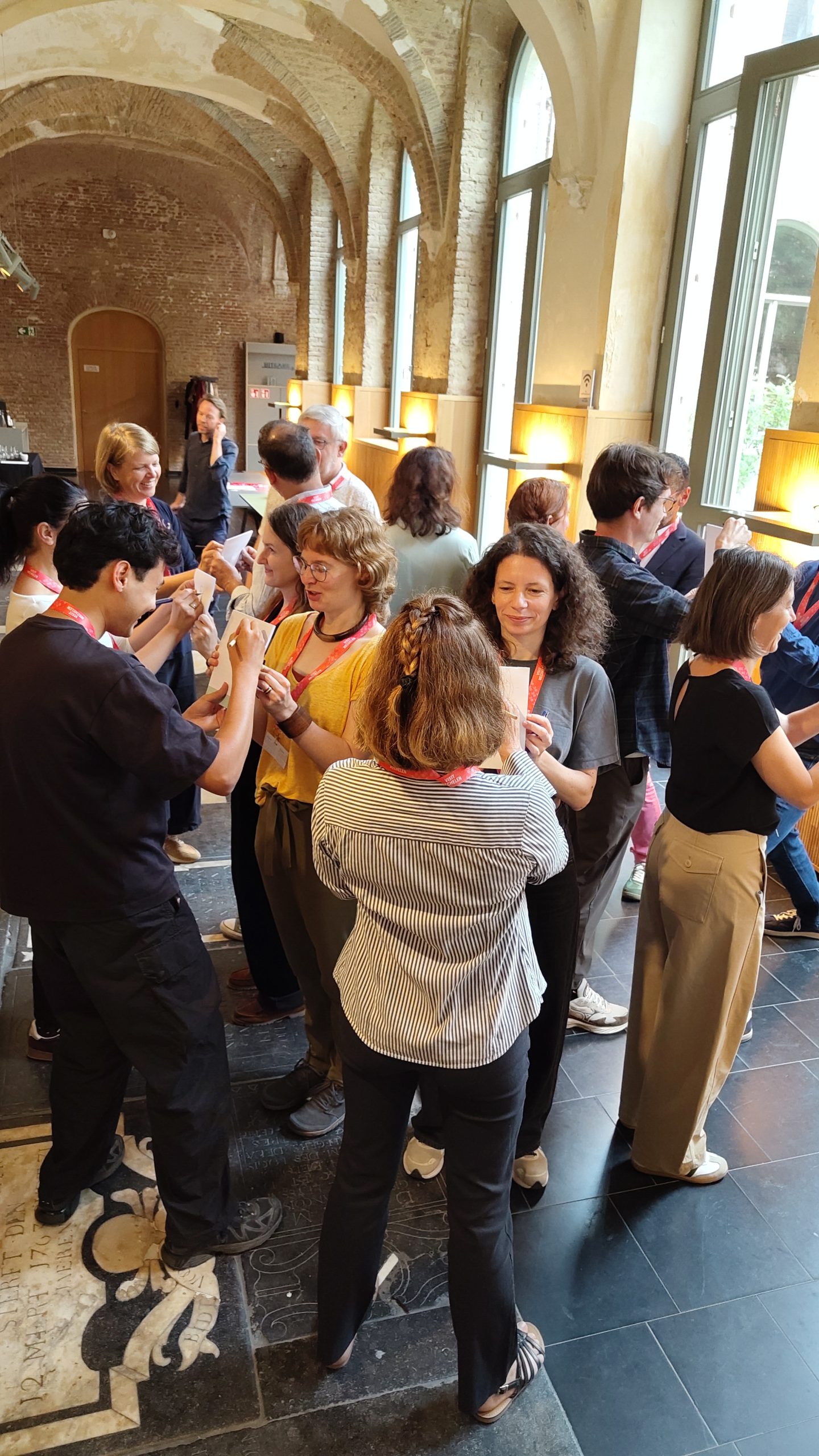
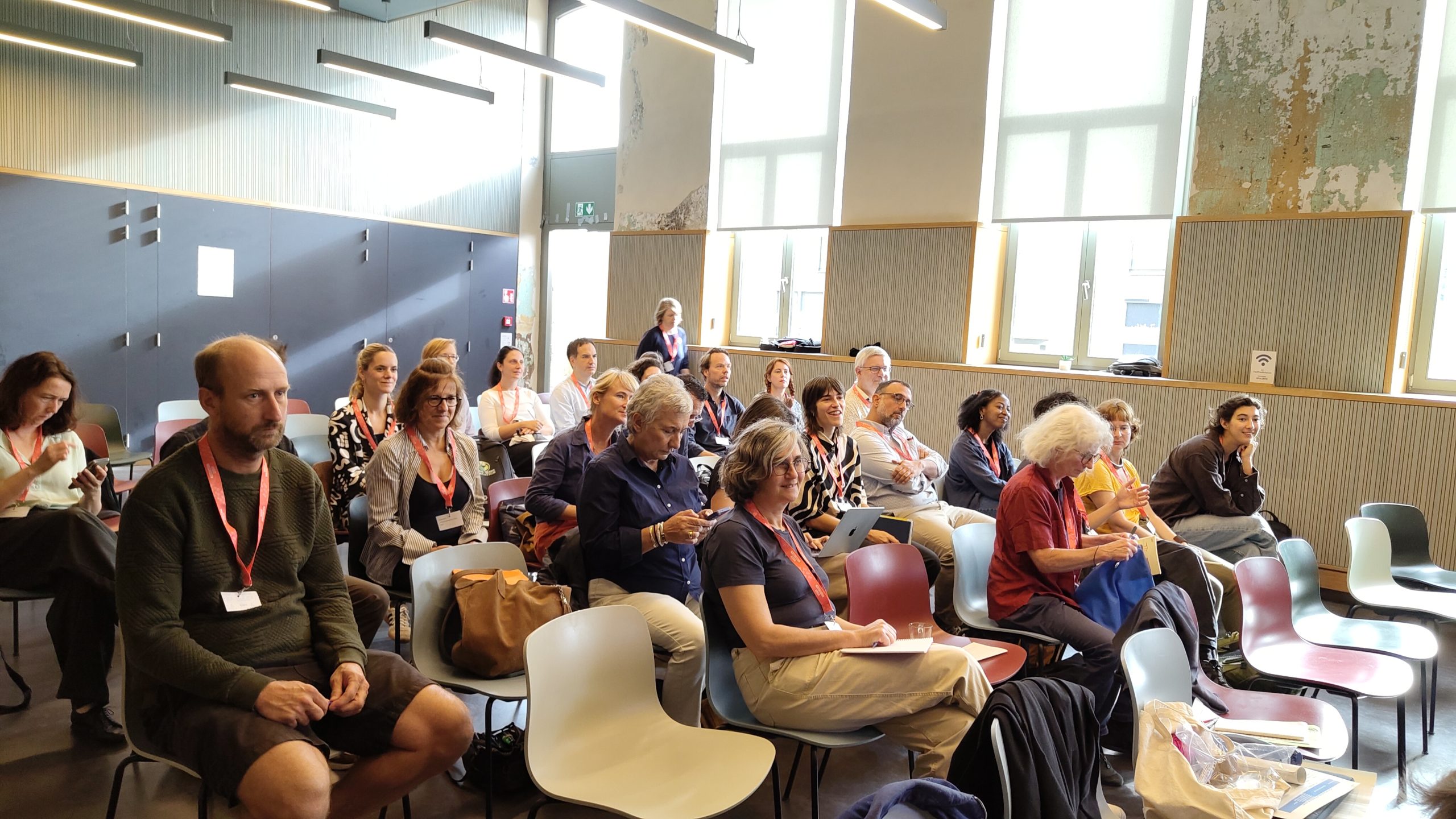
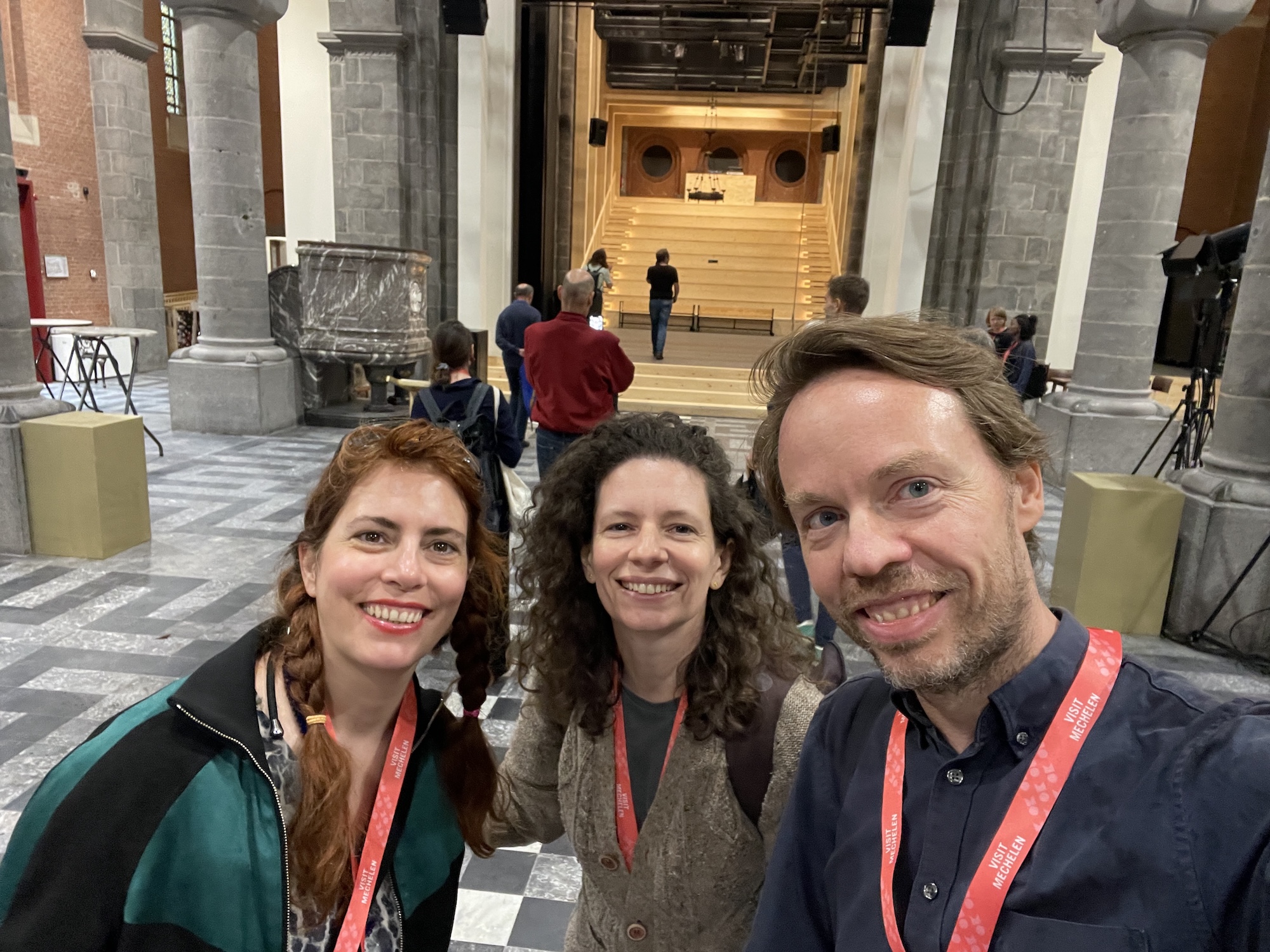
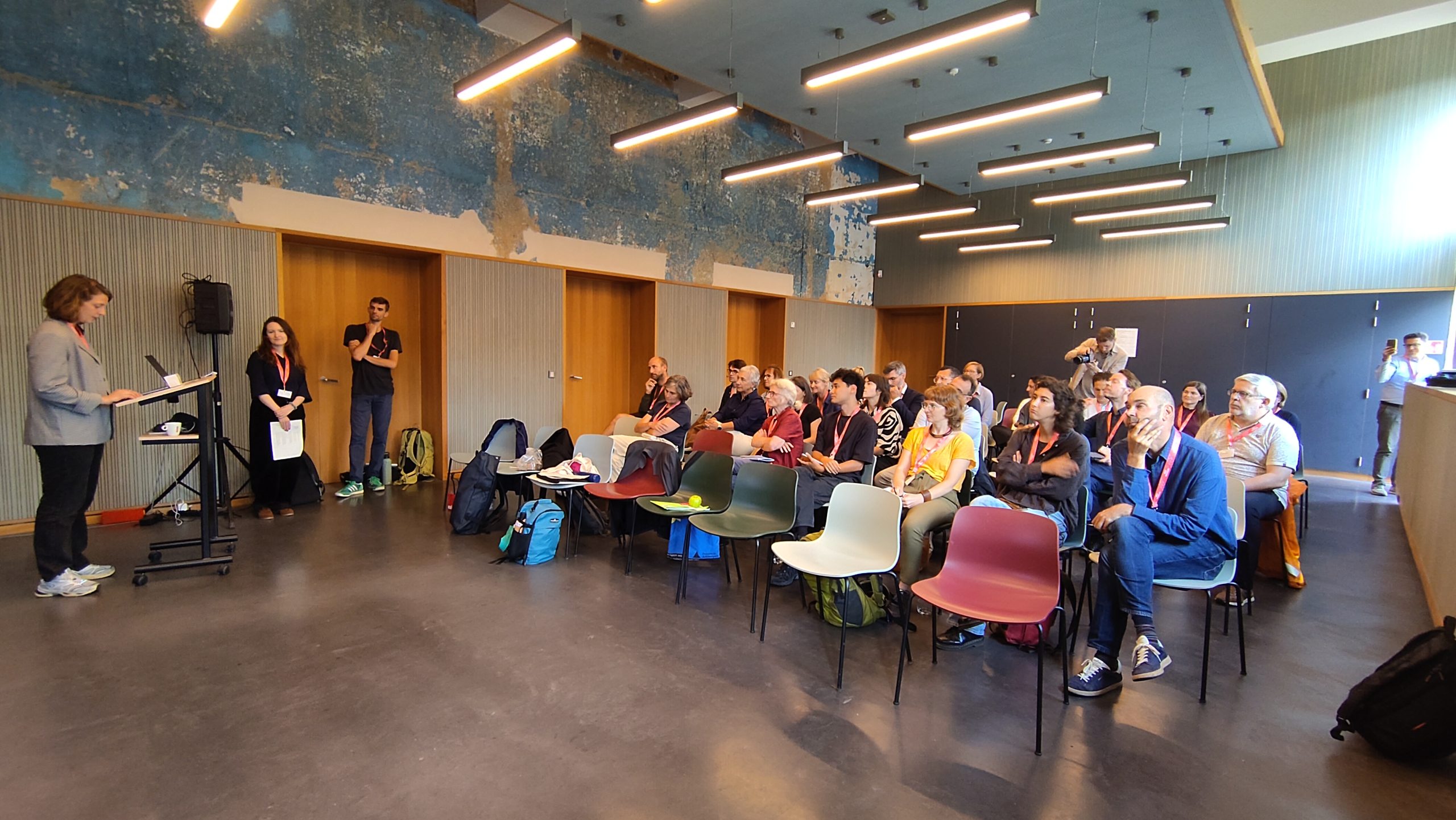

Last week, the RE-HOME consortium gathered in Mechelen, Belgium, to officially kick off LIFE RE-HOME, a project bringing vacant and underused buildings back to life. Funded under the EU’s LIFE Programme for the Environment and Climate Action, the 2.5-year project is led by Energy Cities.
Across Europe, millions of homes sit empty or underused while municipalities struggle with rising housing needs, affordability crises, and land pressure. RE-HOME responds to this housing paradox by demonstrating how sufficiency and adaptability can help transform vacant and underused buildings into affordable, sustainable and inclusive homes – while reducing land take and embodied carbon.
Four cities, four approaches
Four pilot municipalities – Chalandri (Greece), Mechelen (Belgium), La Rochelle (France) and Hrastnik (Slovenia) – will work with local partners to test different models, aiming to:
Based on each pilot’s local context and needs, the approaches range from co-living and home sharing to plot densification, adapting vacant municipal housing for temporary, socially inclusive dwellings, and transforming historic buildings into modern social and affordable housing.
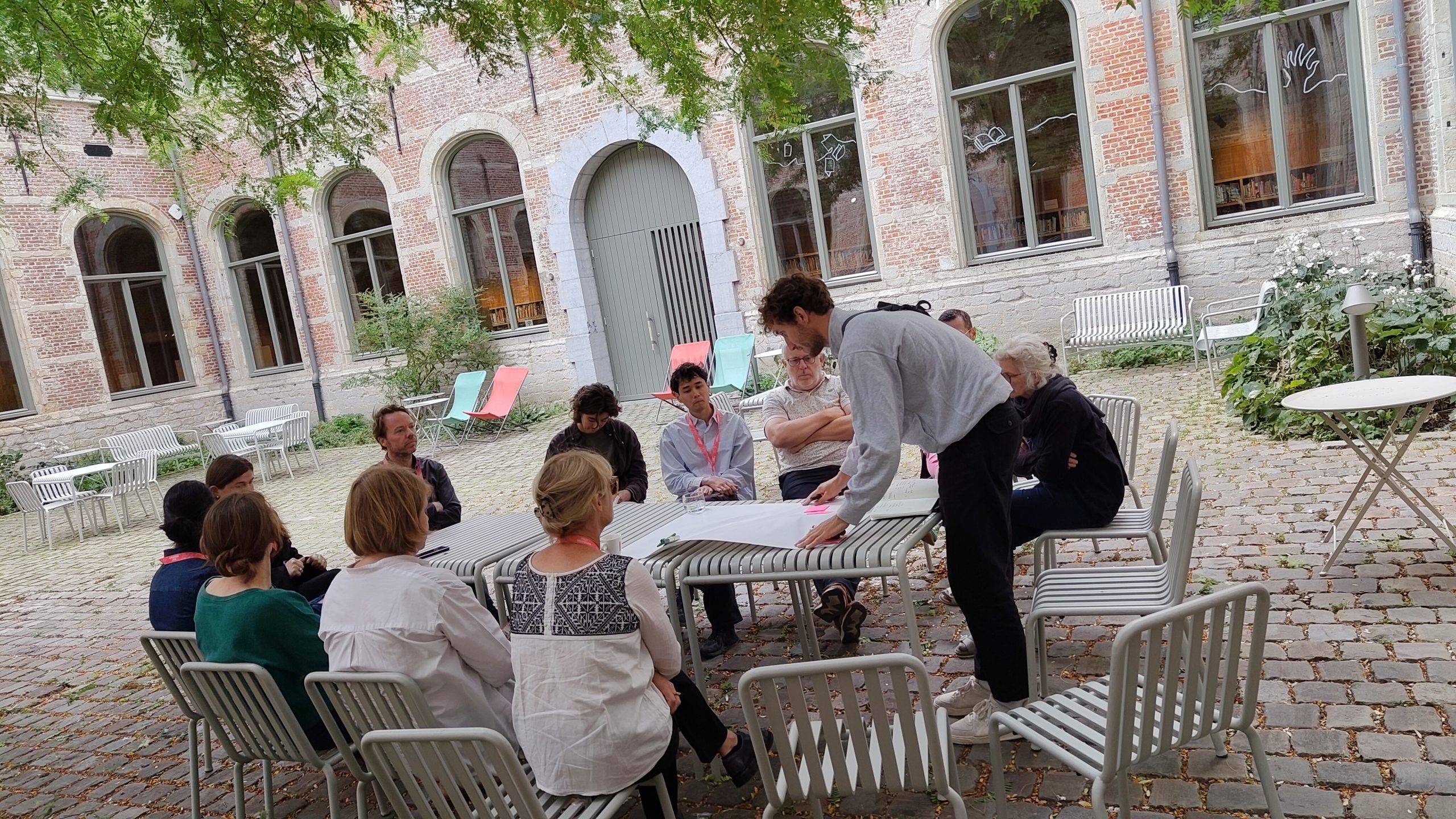
Over the coming years, RE-HOME will combine community diagnostics, participatory design, and creative storytelling to help municipalities achieve these goals. The project will also develop a shared methodology and toolkit, while working with local and national policymakers to help bring these lessons into wider practice.
The pilot interventions are supported by seven transversal partners (Energy Cities, Cooperative City, Urbanex, Vraiment Vraiment, FEANTSA, Urbana, Villes Vivantes), each bringing complementary expertise to the project. Cooperative City leads the place-based co-design work with the pilot cities and coordinates RE-HOME’s communication.
From local realities to action
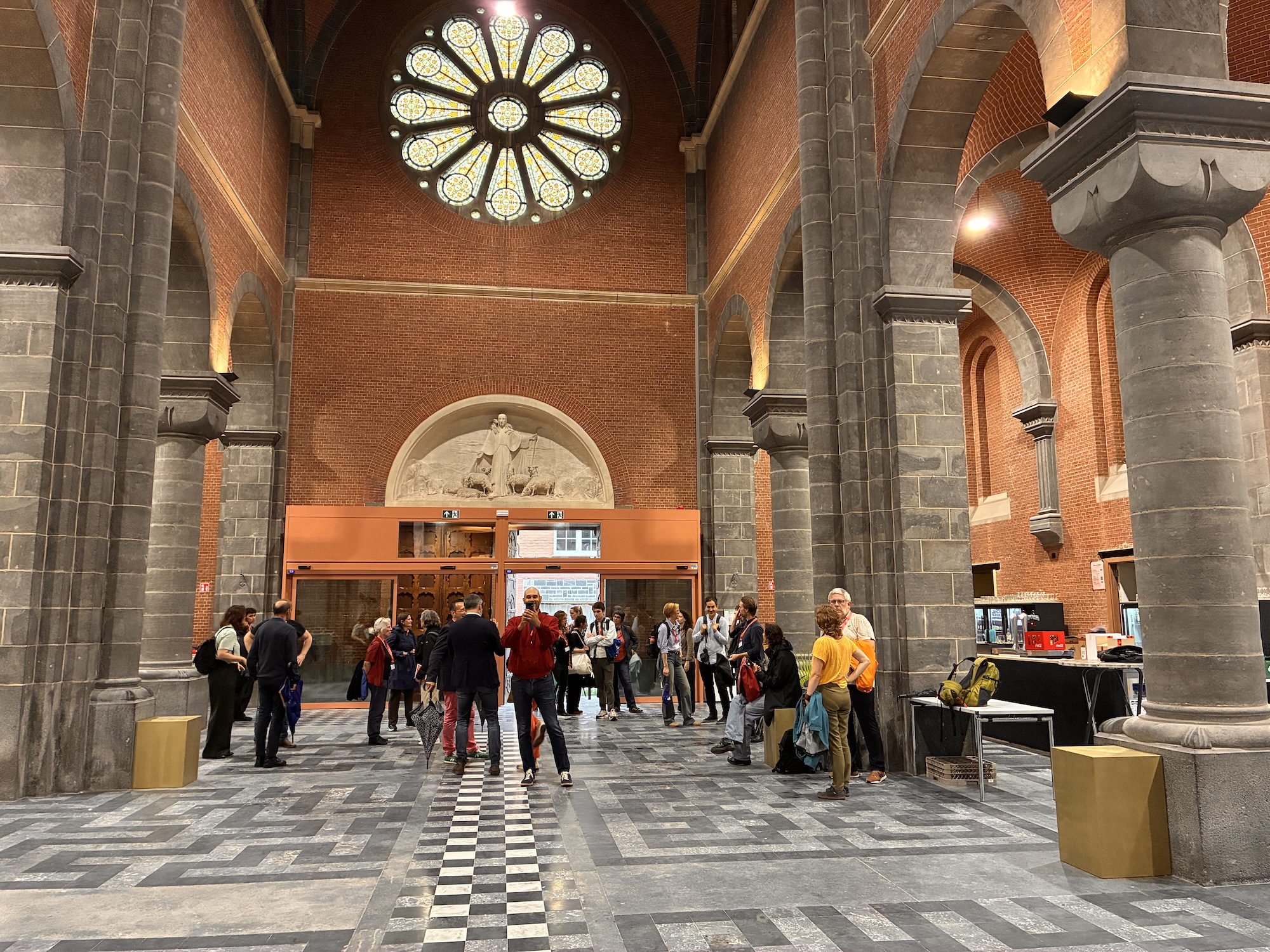
Our two-day meeting took place at Het Predikheren, a former 17th-century monastery and later military hospital, now home to the city library – a fitting setting for a project on the potential of building activation and adaptation.
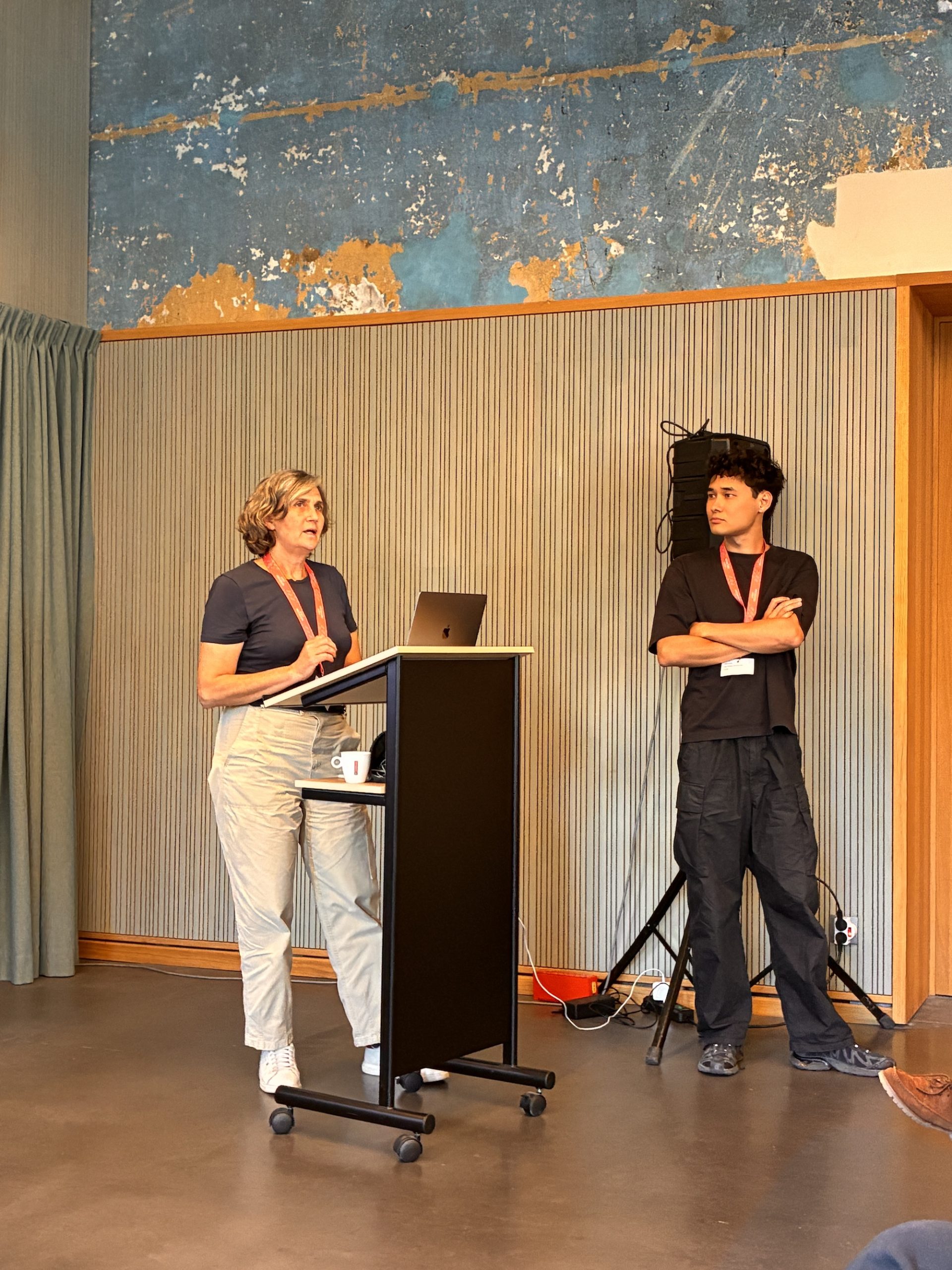
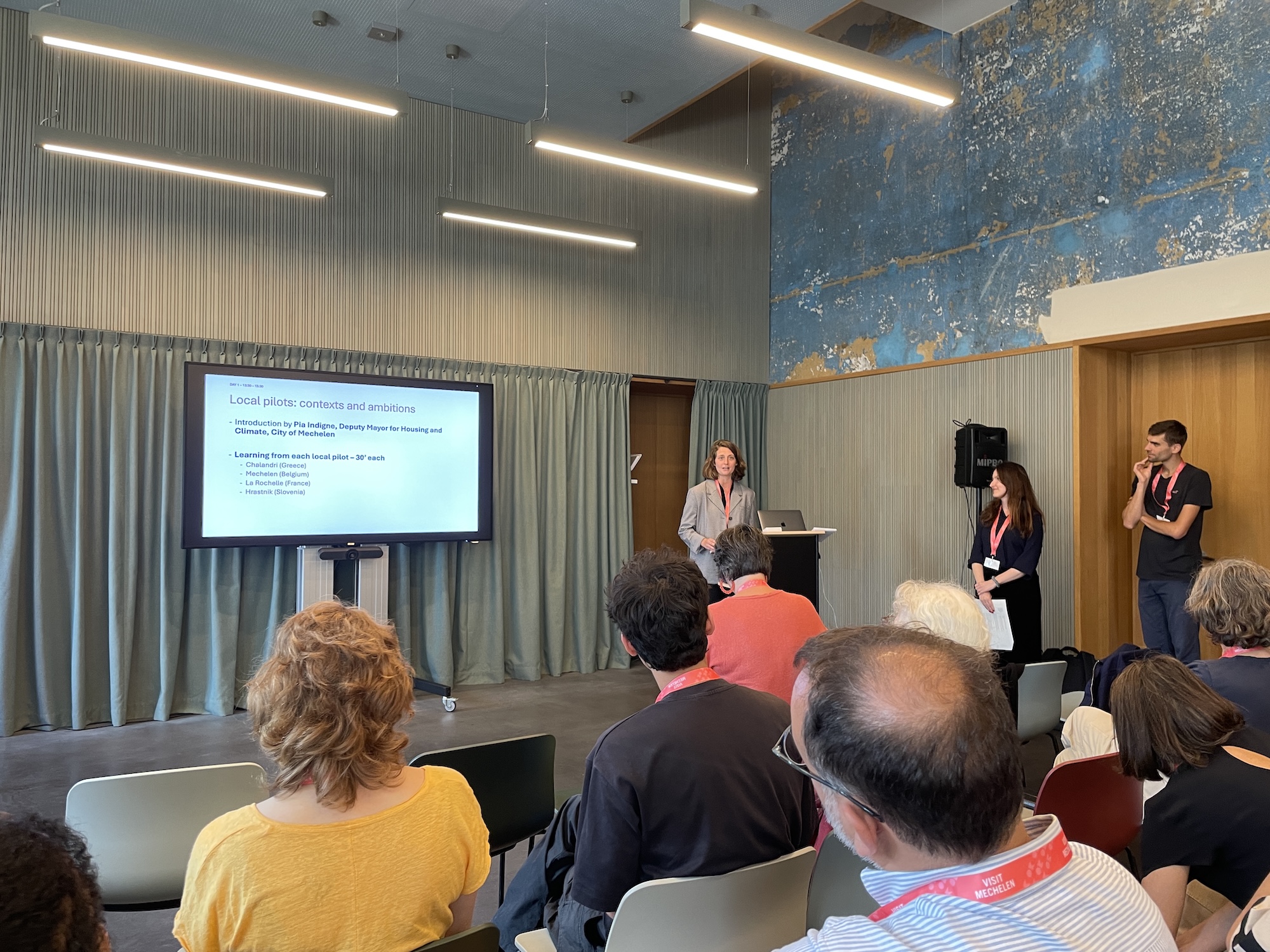
On the first day, Pia Indigne, Deputy Mayor for Housing and Climate in Mechelen, welcomed the consortium. Each pilot city then presented its local realities: the state of its housing stock, existing policies, and what it hopes to achieve through RE-HOME.
The second day was dedicated to planning the first six months of implementation and laying the groundwork for a diagnostic tool that will help identify and map vacant and underused buildings.
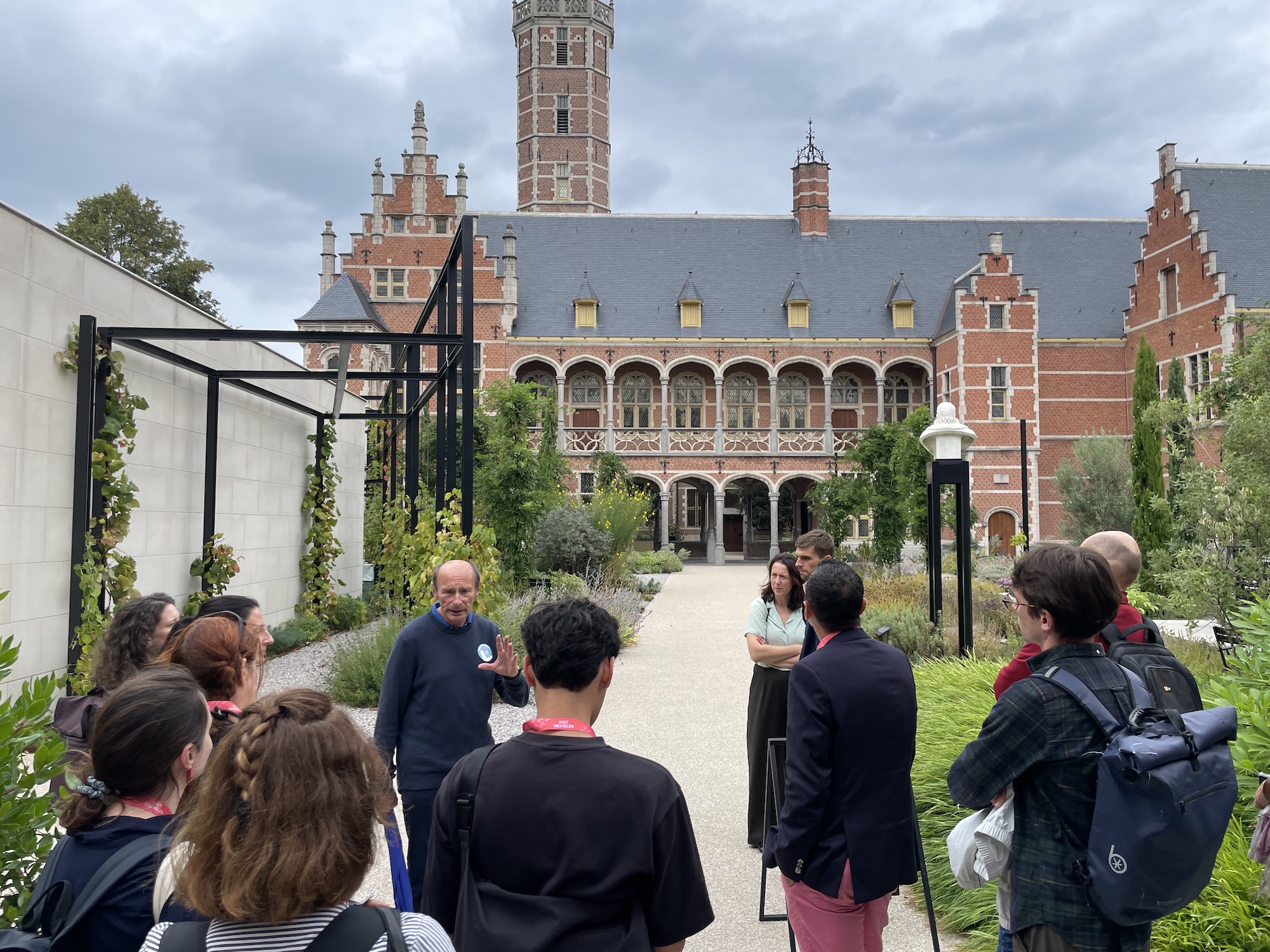
The Mechelen team also introduced us to two local, community-led initiatives. We visited WATSUPS, a municipal project transforming the banks of the river Dyle into a shared public green space, before heading to mARTa, a newly opened socio-cultural hub inside a repurposed church, co-designed closely with local residents.
We left Mechelen with plenty of ideas – a warm thank you to the city of Mechelen and to all our partners for two inspiring days. We’re looking forward to the work ahead.
| Cookie | Duration | Description |
|---|---|---|
| cookielawinfo-checkbox-analytics | 11 months | This cookie is set by GDPR Cookie Consent plugin. The cookie is used to store the user consent for the cookies in the category "Analytics". |
| cookielawinfo-checkbox-functional | 11 months | The cookie is set by GDPR cookie consent to record the user consent for the cookies in the category "Functional". |
| cookielawinfo-checkbox-necessary | 11 months | This cookie is set by GDPR Cookie Consent plugin. The cookies is used to store the user consent for the cookies in the category "Necessary". |
| cookielawinfo-checkbox-others | 11 months | This cookie is set by GDPR Cookie Consent plugin. The cookie is used to store the user consent for the cookies in the category "Other. |
| cookielawinfo-checkbox-performance | 11 months | This cookie is set by GDPR Cookie Consent plugin. The cookie is used to store the user consent for the cookies in the category "Performance". |
| viewed_cookie_policy | 11 months | The cookie is set by the GDPR Cookie Consent plugin and is used to store whether or not user has consented to the use of cookies. It does not store any personal data. |