
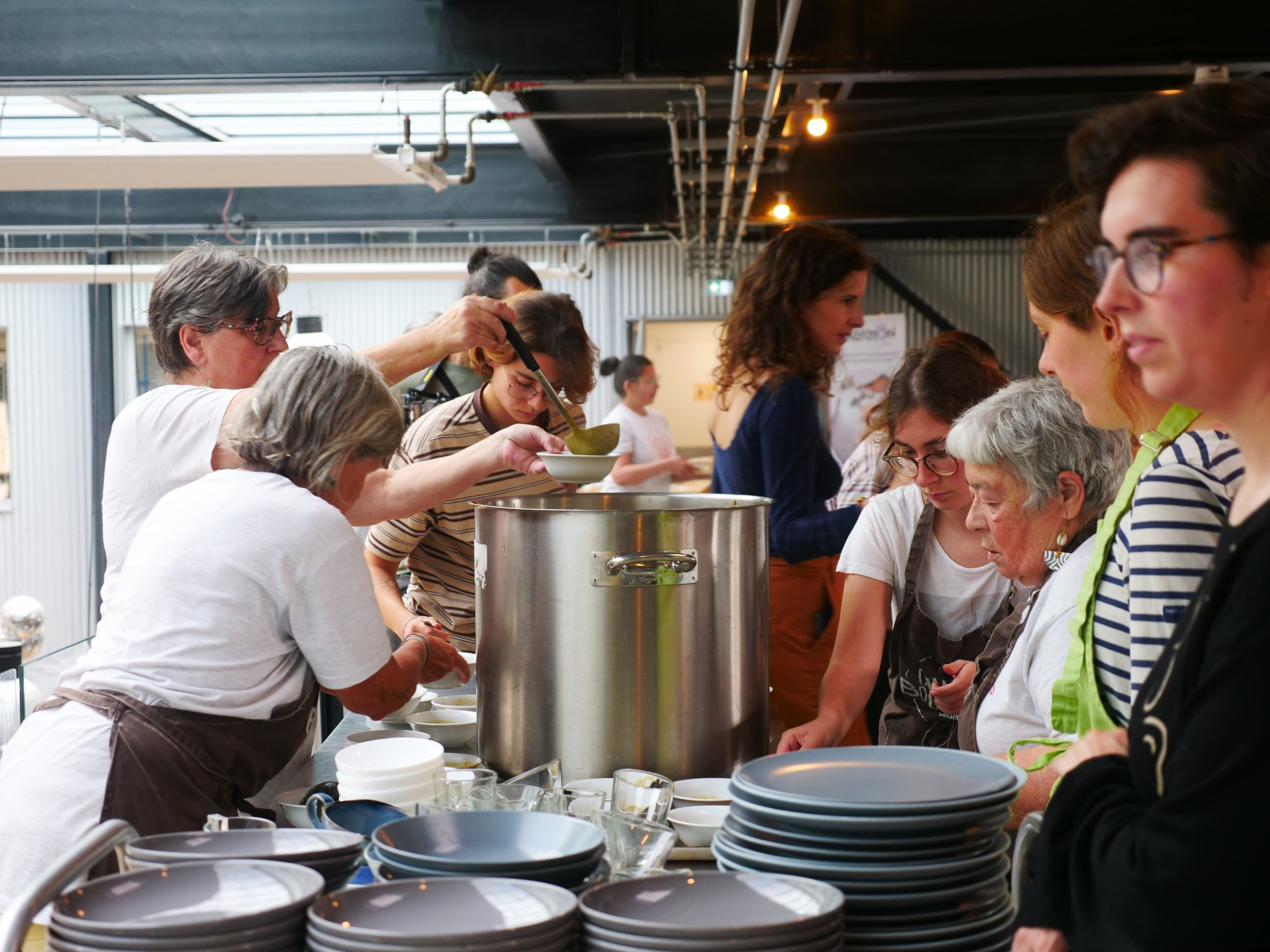
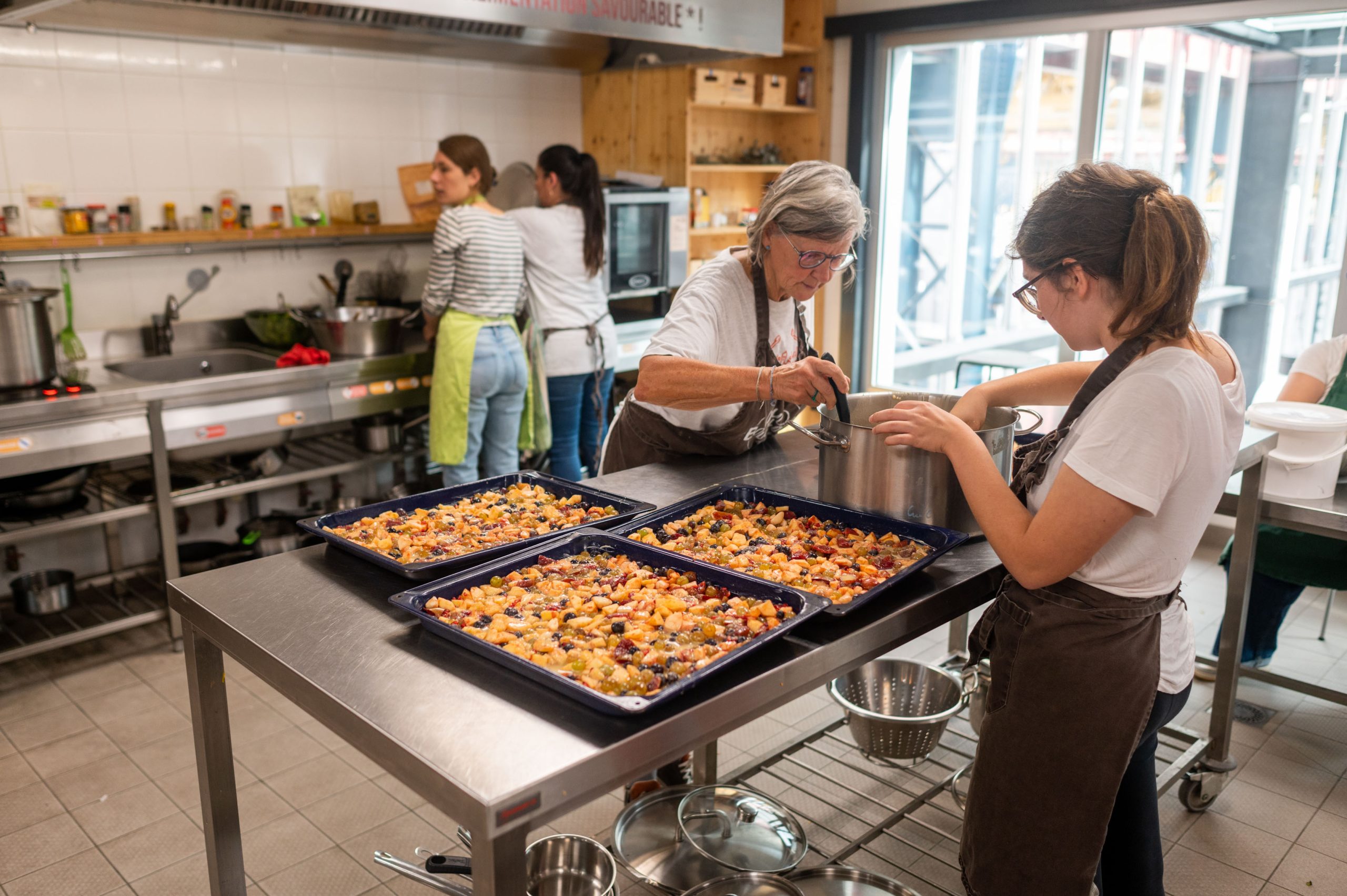
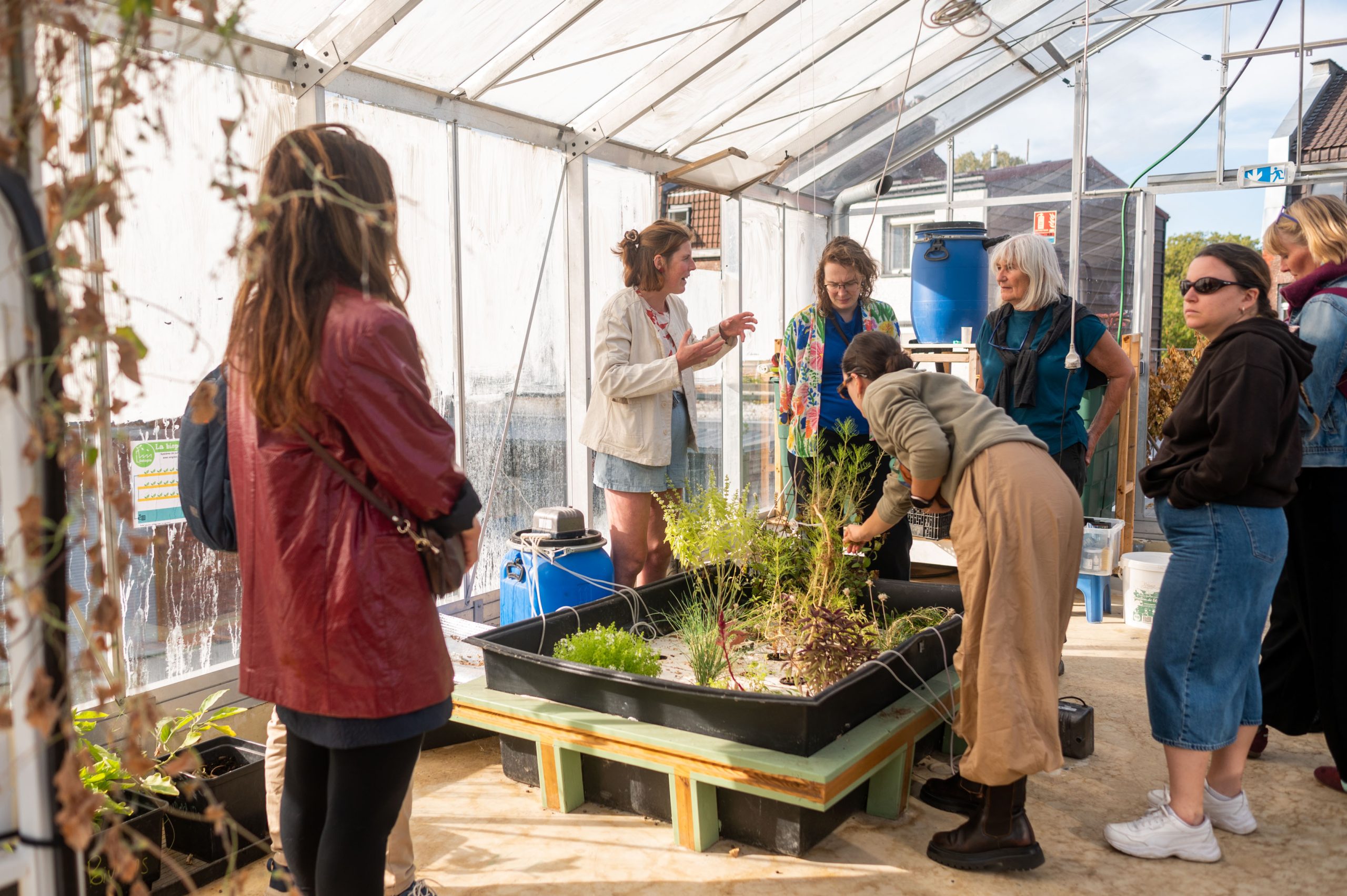
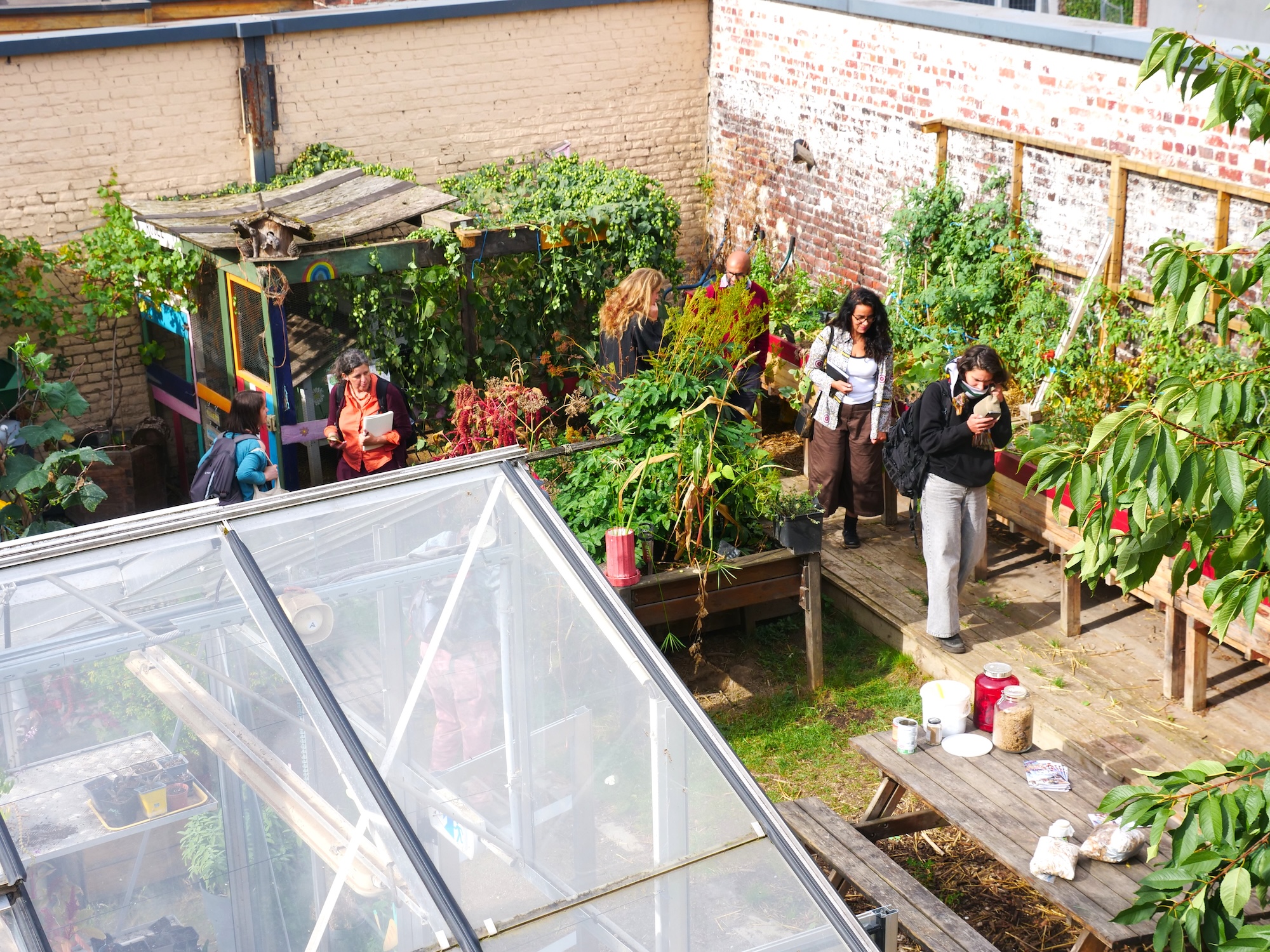

ROOTED investigates the role of Landed Community Kitchens (LCKs) as drivers of food system transformation, and specifically as a new pioneering and pivotal neighbourhood service infrastructure for a place-based resilient and just food system of the future. Working with an international network of Landed Community Kitchens organised through eight national Living Labs, the project aims to deliver policy frameworks and society-ready, replicable prototypes that consolidate and multiply LCKs as novel service infrastructures for a socio-ecologically just food system. It will ensure that their infrastructural settings, socio-ecological pedagogies, business models and policy frameworks are fit for culturally and socially diverse communities, including food insecure groups. ROOTED received funding from the European Union’s Horizon Europe research and innovation programme under grant agreement No 101288015.
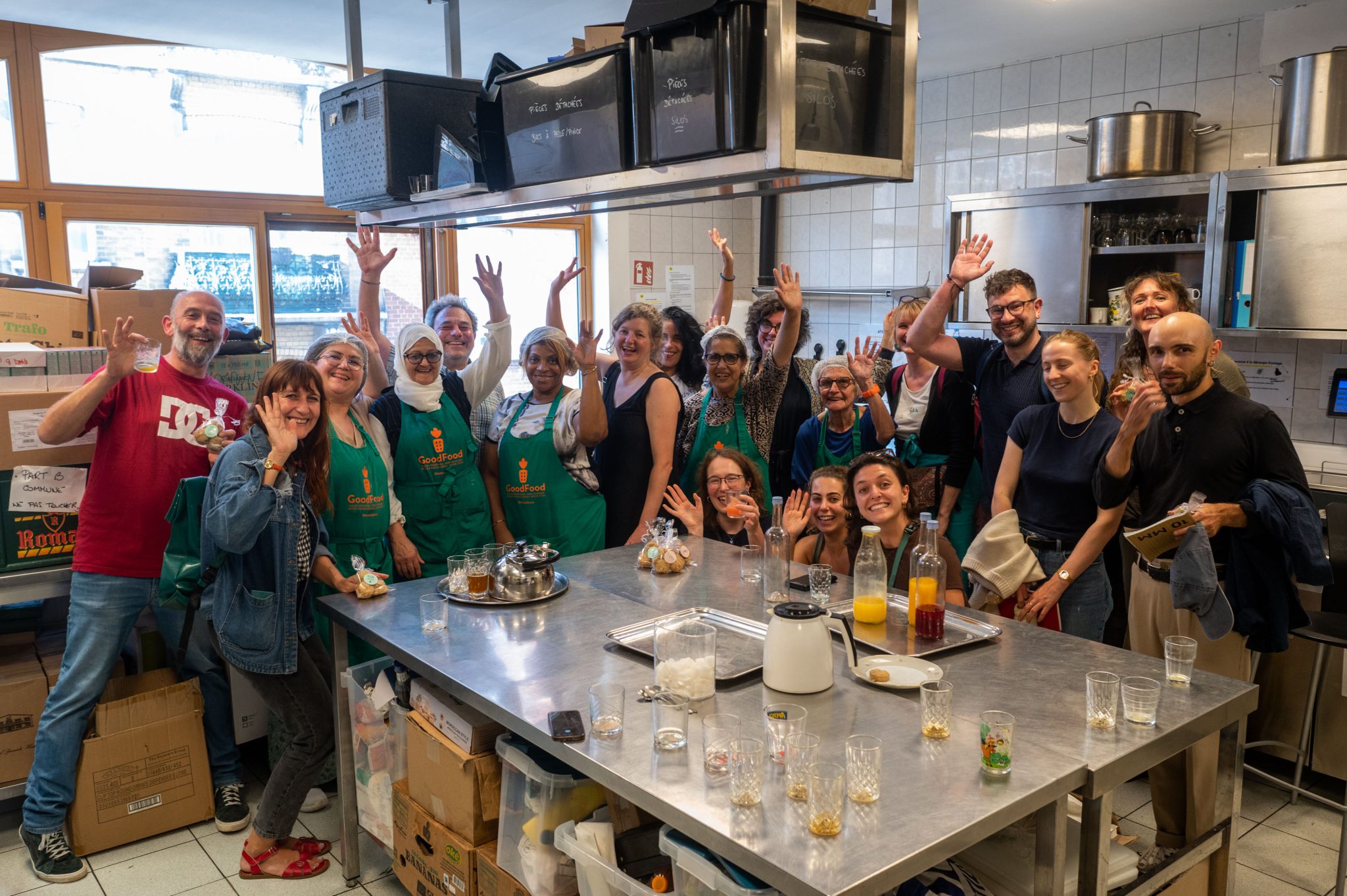
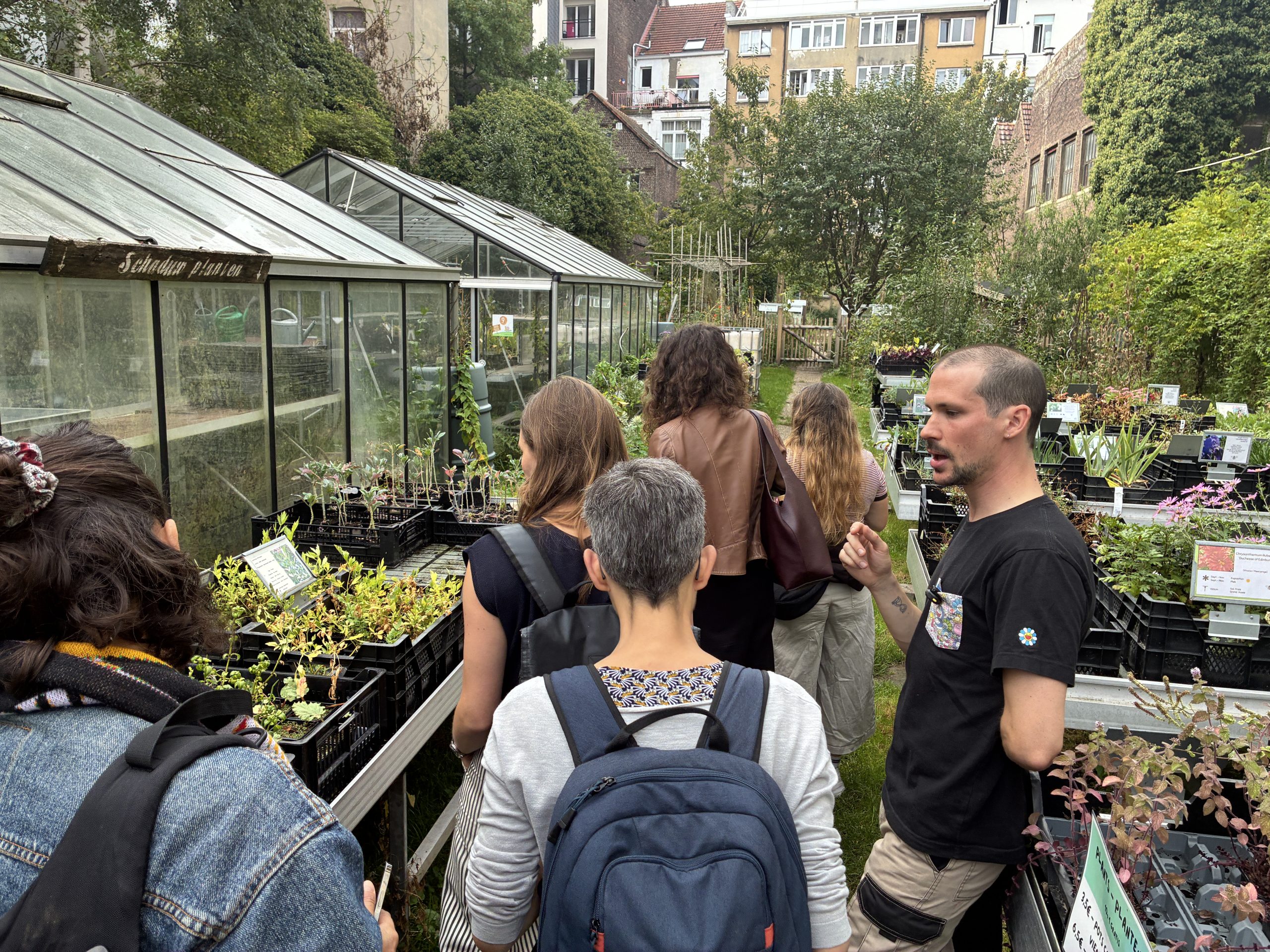
Europe’s food system is becoming increasingly polarised. Despite the ambition of “a sustainable food system for all”, many people across Europe cannot afford healthy and nutritious food, while small agroecological producers struggle to access land, fertility inputs and markets. Approaches to food system transformation have largely remained siloed, separately targeting producers or consumers, food production or food waste, agricultural activities or urban neighbourhood infrastructures. ROOTED argues that these challenges require an integrated, territorial and place-based approach that moves beyond the normalisation of using surplus food to feed people in need, and instead aims to benefit all social groups while addressing the structural conditions of food system inequality and unsustainability.
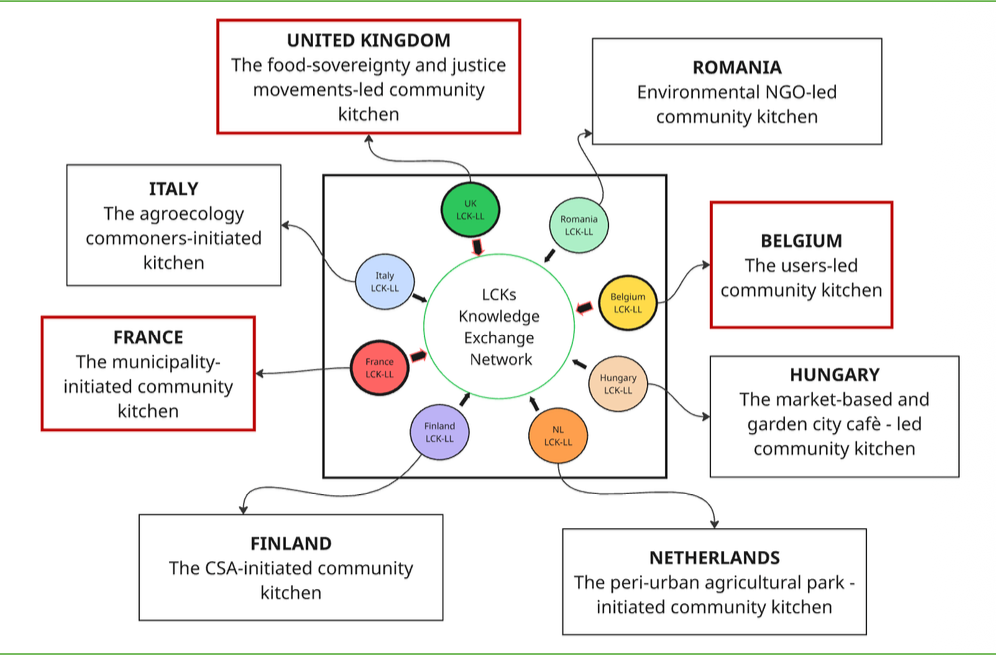
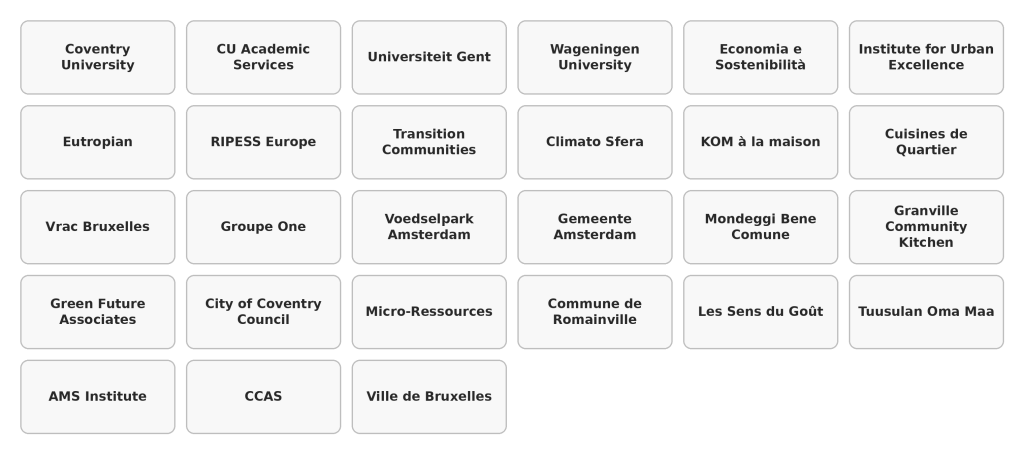
The project will establish a network of eight national Living Labs, centred on LCKs, to co-create, test, assess and refine place-based interventions, while developing governance frameworks, policy measures and replicable prototypes that enable the wider adoption of Landed Community Kitchens as new neighbourhood service infrastructures for resilient and just food systems. The project’s long-term ambition is “a community kitchen in every neighbourhood.”
The living labs have been selected for their diversity in terms of who initiated the landed community kitchens (i.e. commoners, food justice-oriented groups, market-based cafés, farmers, environmental groups, municipalities, etc.), the type of urban and peri-urban agriculture producers they are connected with, and the type of communities they engage.

The name ROOTED reflects the project’s vision of creating food systems that are deeply connected to people, place and local food production. At the heart of the project are Landed Community Kitchens (LCKs), which are “landed”, or “rooted”, within local networks of sustainable food producers. Unlike surplus food initiatives, LCKs build lasting relationships between agroecology-oriented local food producers and community-based groups addressing food insecurity and social inequality with a food sovereignty lens.
Being ROOTED also reflects the project’s place-based, integrated approach to food system transformation. Rather than applying one-size-fits-all solutions, ROOTED works through local Living Labs to co-create solutions that respond to the specific social, cultural, environmental and economic conditions of each place.
The concept extends beyond food production. ROOTED is about rooting food systems in communities, strengthening connections between producers and consumers, supporting local economies, fostering food justice and food sovereignty, and establishing Landed Community Kitchens as new neighbourhood service infrastructures for a socio-ecologically just food system.

| Cookie | Duration | Description |
|---|---|---|
| cookielawinfo-checkbox-analytics | 11 months | This cookie is set by GDPR Cookie Consent plugin. The cookie is used to store the user consent for the cookies in the category "Analytics". |
| cookielawinfo-checkbox-functional | 11 months | The cookie is set by GDPR cookie consent to record the user consent for the cookies in the category "Functional". |
| cookielawinfo-checkbox-necessary | 11 months | This cookie is set by GDPR Cookie Consent plugin. The cookies is used to store the user consent for the cookies in the category "Necessary". |
| cookielawinfo-checkbox-others | 11 months | This cookie is set by GDPR Cookie Consent plugin. The cookie is used to store the user consent for the cookies in the category "Other. |
| cookielawinfo-checkbox-performance | 11 months | This cookie is set by GDPR Cookie Consent plugin. The cookie is used to store the user consent for the cookies in the category "Performance". |
| viewed_cookie_policy | 11 months | The cookie is set by the GDPR Cookie Consent plugin and is used to store whether or not user has consented to the use of cookies. It does not store any personal data. |