

This is the question at the heart of HeritageCircle (Collaborative Innovation for Responsible, Critical and Localised Engagement with Europe’s Dissonant Heritage). Europe’s heritage is shaped by contested histories, including colonialism, violence, oppression and political manipulation, while minority narratives and difficult pasts are often marginalised or silenced.
HeritageCircle explores constructive and ethical approaches to discussing, interpreting, presenting and reusing Europe’s dissonant and contentious heritage. The project brings together a cross-sectoral Community of Practice and develops shared methodologies, tools and recommendations, supported by the Space for Productive Heritage Engagement (SPHERE), a digital hub for collaboration, capacity building and dissemination.
Drawing on 20 peer-learning case studies, six incubators and three pilots in Malta, Germany and Ukraine, CIRCLE tests approaches to participatory governance, sustainable tourism, and plural and inclusive education. The project will also co-create a Strategic Research and Innovation Agenda to guide future research, innovation and policy on heritage-related work in Europe.
CIRCLE is funded by the Horizon Europe programme of the European Union.
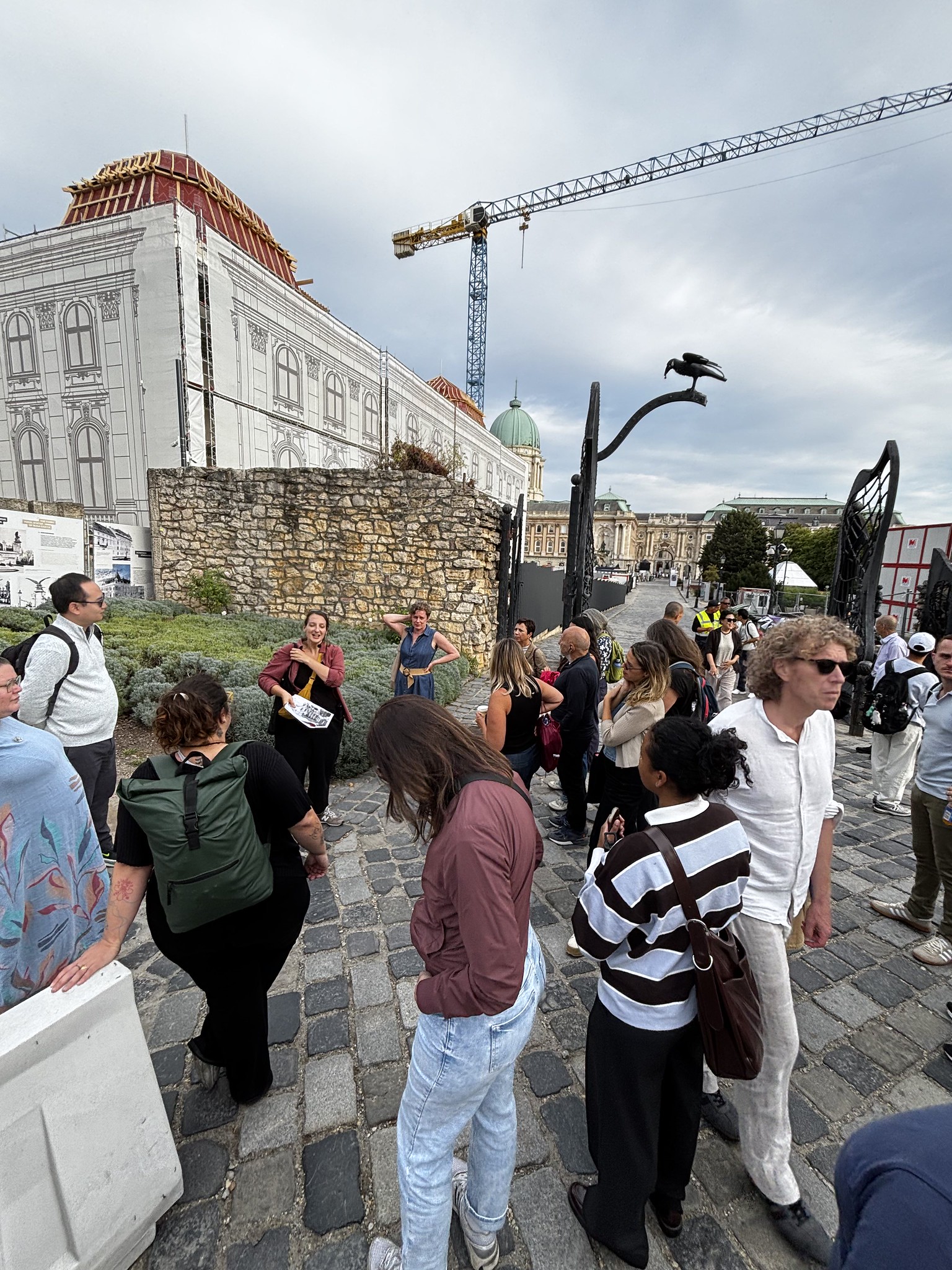
Some of Europe’s most visited and most overlooked places carry histories that people remember very differently. In Vienna, former Nazi bunkers have become an art and social space. In Potsdam, a Baroque church destroyed in the Second World War is being rebuilt by citizens, amid debate over what that church symbolises. In Tirana, the former residence of Enver Hoxha now hosts cultural programming. In Kiruna, Sámi ancestral territories are threatened by mining for the raw materials Europe needs for its green transition.
These are not only questions about the past. Heritage like this can be sanitised, sensationalised, neglected or used for political ends, and it can be turned into a tourist product or reshaped by misinformation online. At the same time, it can bring people together to talk about what societies value, whose stories are told and how communities live alongside each other.
HeritageCircle starts from the idea that dissonance cannot and should not be erased. It is part of what heritage is, and handling it carefully can make it a resource for dialogue rather than division.
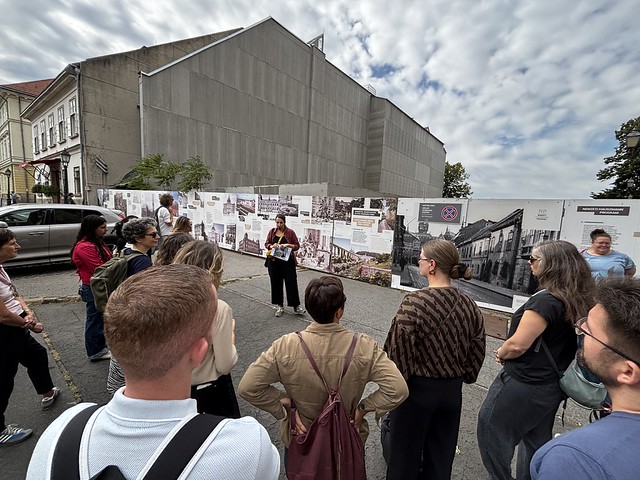
Eutropian leads the review of 20 peer-learning case studies from across Europe. The review analyses each site’s core dissonances, memory dynamics, actors, tools, methods and governance models, along with community engagement and the links between heritage, sustainable tourism and education.
As task leader for creative digital dissemination, Eutropian oversees three thematic documentary videos based on the peer-learning cases, as well as six quote videos and six digital video stories developed with local actors.
Eutropian also contributes to:
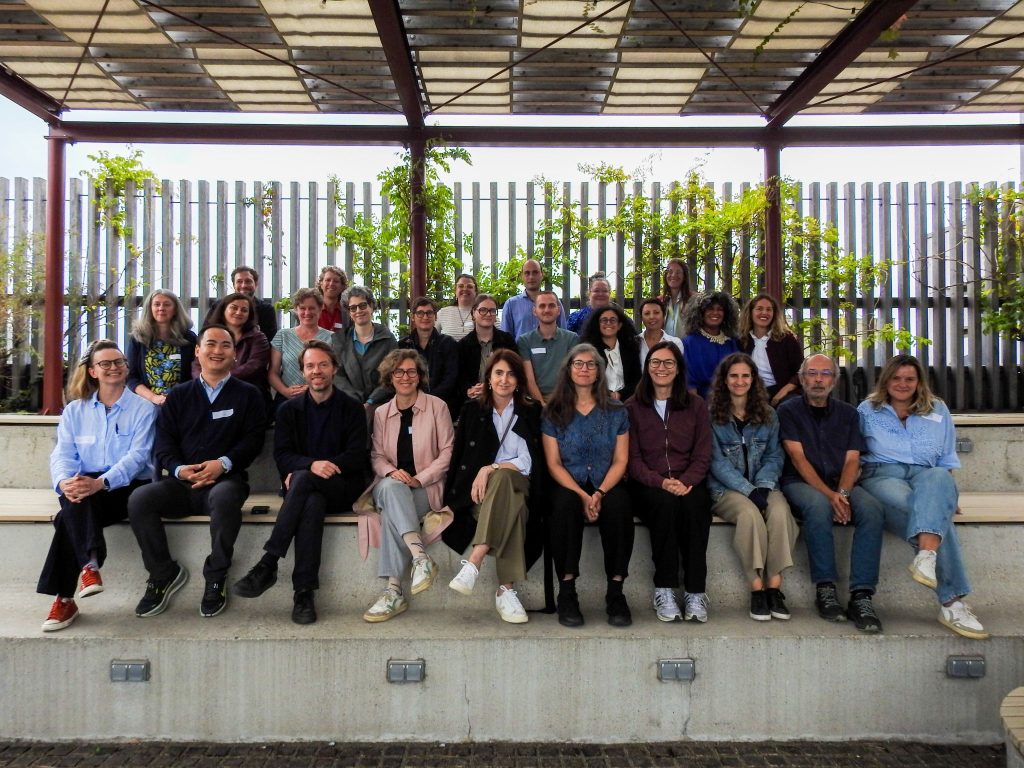
HeritageCircle is delivered by a consortium of 13 organisations across 10 countries, each bringing a distinct piece of expertise to the table:
| Cookie | Duration | Description |
|---|---|---|
| cookielawinfo-checkbox-analytics | 11 months | This cookie is set by GDPR Cookie Consent plugin. The cookie is used to store the user consent for the cookies in the category "Analytics". |
| cookielawinfo-checkbox-functional | 11 months | The cookie is set by GDPR cookie consent to record the user consent for the cookies in the category "Functional". |
| cookielawinfo-checkbox-necessary | 11 months | This cookie is set by GDPR Cookie Consent plugin. The cookies is used to store the user consent for the cookies in the category "Necessary". |
| cookielawinfo-checkbox-others | 11 months | This cookie is set by GDPR Cookie Consent plugin. The cookie is used to store the user consent for the cookies in the category "Other. |
| cookielawinfo-checkbox-performance | 11 months | This cookie is set by GDPR Cookie Consent plugin. The cookie is used to store the user consent for the cookies in the category "Performance". |
| viewed_cookie_policy | 11 months | The cookie is set by the GDPR Cookie Consent plugin and is used to store whether or not user has consented to the use of cookies. It does not store any personal data. |